
Strange but True Facts That Sound Like Internet Hoaxes
Some of the most surprising claims about the natural world and human history turn out to be accurate, even when they sound like the punchline of a joke or a rumor from a chain email. The eight things that sound completely fake but are actually real in this article were chosen because each rests on well-documented science, astronomy, or history, and none depends on a shaky statistic or an unverified quote. Part of the fun is that these facts do not need exaggeration. The real explanations are more interesting than the myths people might invent to replace them. Each section below explains what the claim says, why it sounds implausible, and what the evidence behind it actually is.
Wombats Really Produce Cube-Shaped Droppings
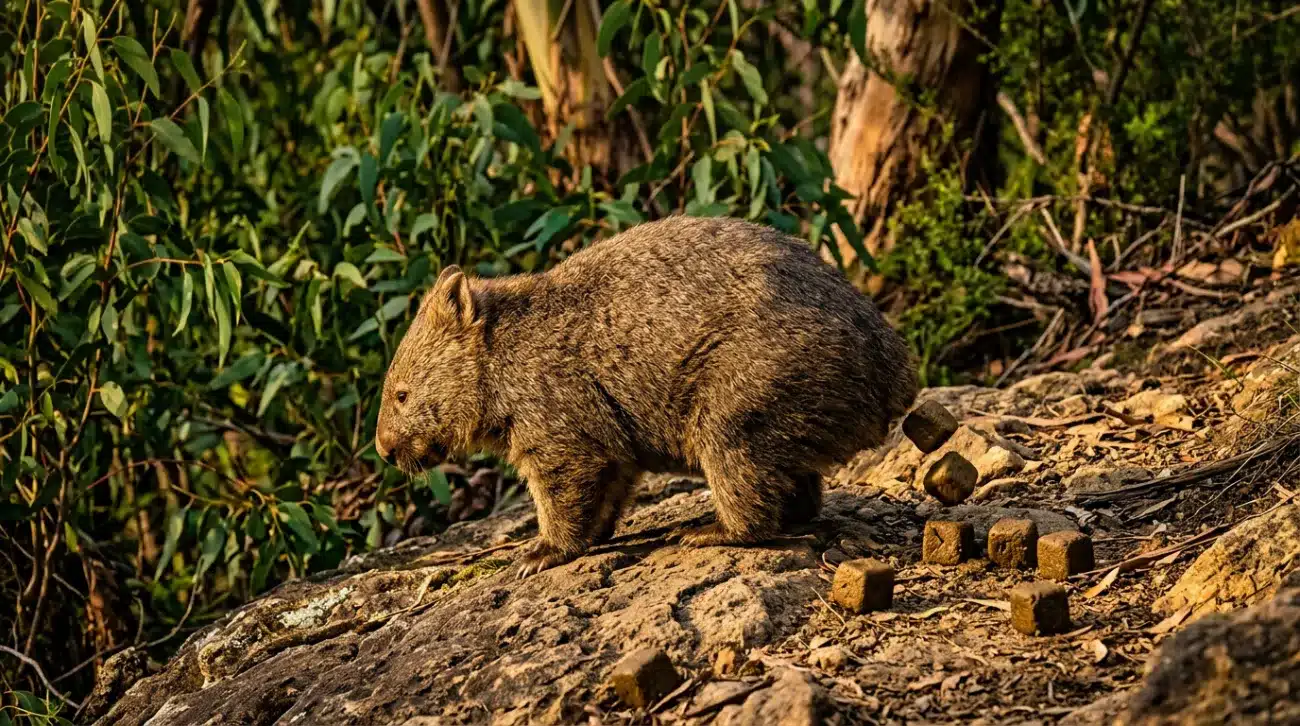
Of all the animal facts that provoke disbelief, this may be the most famous. Wombats, the stocky burrowing marsupials native to Australia, produce droppings that are shaped like cubes rather than the pellets or cylinders typical of other animals. The claim sounds like a prank because nothing in ordinary biology prepares us to expect geometric waste. Yet it has been observed and studied by scientists, who have examined the wombat’s digestive tract to understand how the shape forms.
Researchers have pointed to the elasticity of the wombat’s intestinal walls as a key factor. As the material moves through the final portion of the intestine, differences in how the tissue stretches appear to shape it into distinct, flat-sided pieces. Wombats are also known to place their droppings on elevated spots such as rocks and logs, and the cube shape is often suggested as a reason the droppings stay put instead of rolling away. That last point is generally presented as a plausible explanation rather than a settled conclusion, so it is best treated as a leading hypothesis.
Octopuses Have Three Hearts and Blue Blood
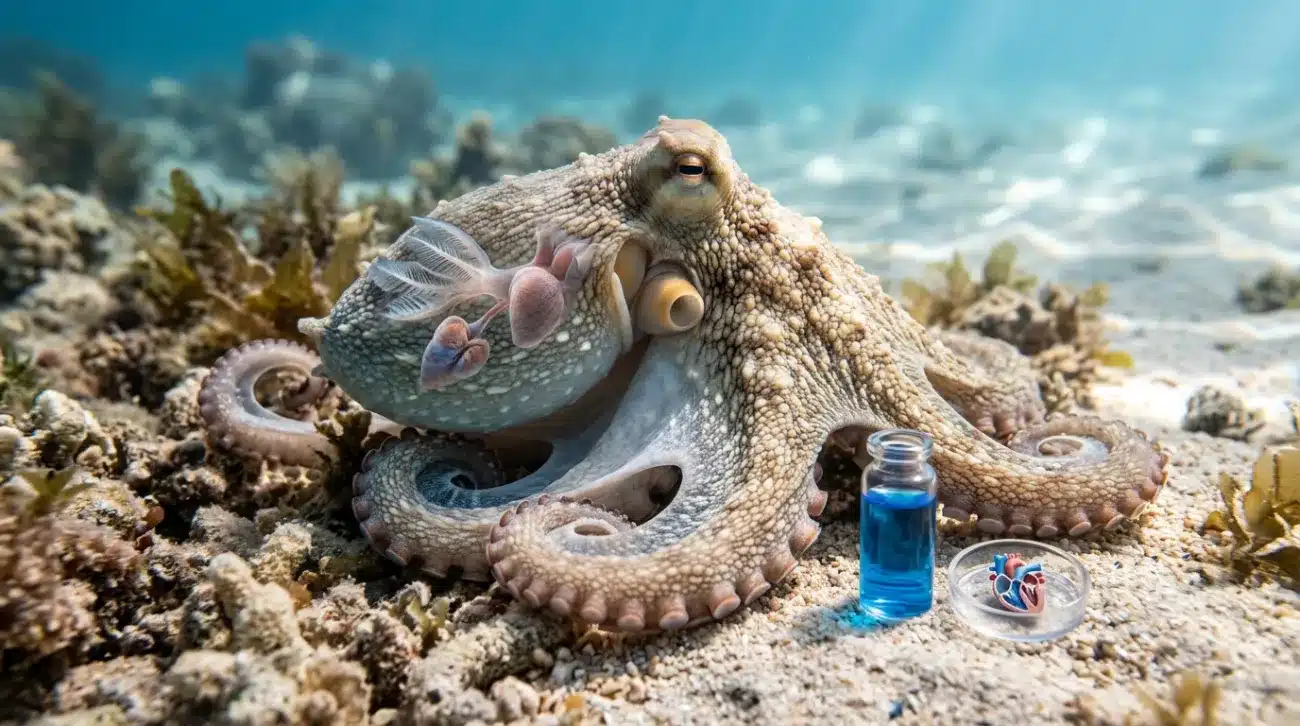
An octopus sounds like a creature designed by a fantasy author, and its anatomy does little to dispel that impression. Octopuses have three hearts. Two of them pump blood through the gills, and the third circulates blood to the rest of the body. Their blood is also blue, which stands out against the red blood of humans and most other vertebrates.
The color comes from a copper-based protein called hemocyanin, which carries oxygen in place of the iron-based hemoglobin found in our own blood. Hemocyanin turns bluish when it is oxygenated. It is thought to work well in cold, low-oxygen environments, which suits many of the ocean habitats where cephalopods live. The arrangement is not a quirk of one species. It reflects a different evolutionary solution to the same problem of moving oxygen around the body.
Honey Can Last Almost Indefinitely Without Spoiling
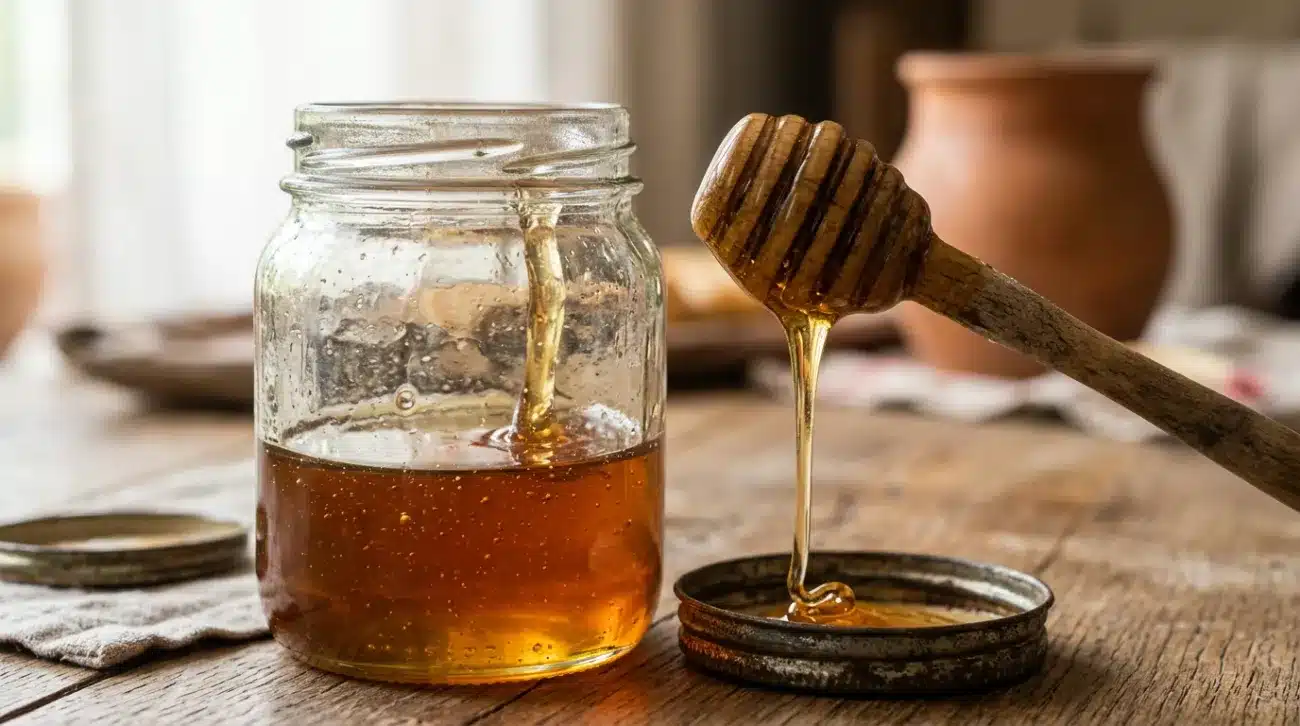
Most foods have a short window before they go bad, so the idea that honey can last practically forever seems like exaggeration. In reality, properly sealed honey is one of the most stable foods people have ever stored. Its resistance to spoilage comes from several properties working together. Honey contains very little water, it is naturally acidic, and bees add an enzyme during production that contributes to a mildly antimicrobial environment. Together, these conditions make it very difficult for bacteria and mold to grow.
There are frequent reports of ancient honey being found in archaeological contexts, including tombs, and still being recognizable as honey. Those accounts are widely repeated, but the details vary between sources, so they are best read as illustrations rather than precise laboratory claims. The more careful version of the fact is that honey does not spoil in the ordinary sense when stored well, although it can crystallize, darken, or change in flavor over time. Crystallization is a physical change and does not mean the honey has gone bad.
Bananas Are Berries and Strawberries Are Not
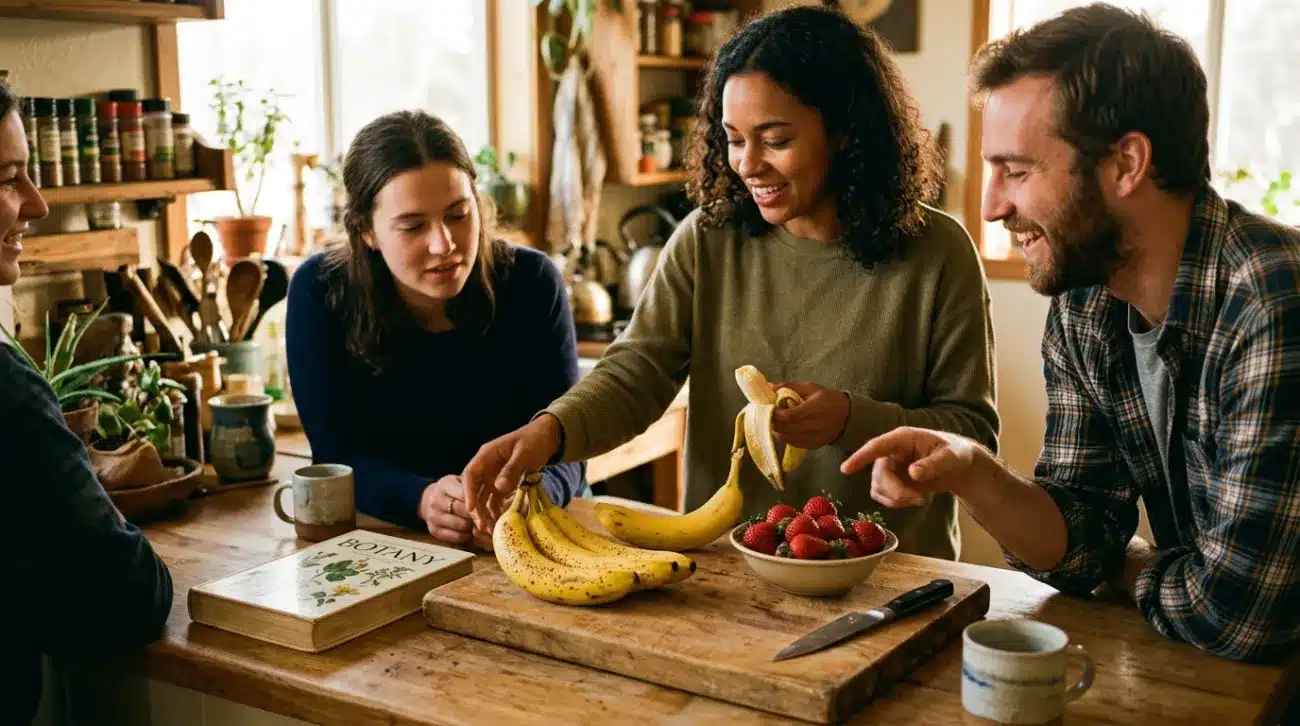
Botanists use definitions of fruit types that differ sharply from the way people talk about them in a kitchen. Under the botanical definition, a berry develops from a single flower with one ovary and has seeds embedded in fleshy tissue. By that standard, bananas qualify as berries. So do some fruits that rarely get the label in everyday speech, such as tomatoes and grapes.
The strawberry is the reverse case. What we eat as the fleshy red part is not the true fruit in the botanical sense. The small seed-like pieces dotting the surface are the actual fruits, and the red flesh is swollen floral tissue. For that reason, botanists classify the strawberry as an accessory fruit rather than a true berry. None of this means the everyday names are wrong. It means that scientific categories answer a different question than culinary ones do.
Oxford University Is Older Than the Aztec Empire

Comparing a university in England with a civilization in Mesoamerica seems arbitrary, and the claim that the school came first can sound like a trick. It rests on the timelines of the two institutions. Teaching at Oxford is documented from the late eleventh century, and the university grew in the following decades as scholars gathered there. The Aztec capital of Tenochtitlan, by contrast, is traditionally dated to the fourteenth century, and the Aztec imperial state took shape later still.
The comparison works because of how we tend to picture history. Many people think of universities as ancient and of the Aztecs as belonging to a far more distant past. In fact, the two timelines overlap in a way that surprises almost everyone. One caveat is that Oxford has no single, precisely recorded founding date, so the claim holds as a general statement about when teaching began there rather than a comparison between two exact anniversaries.